
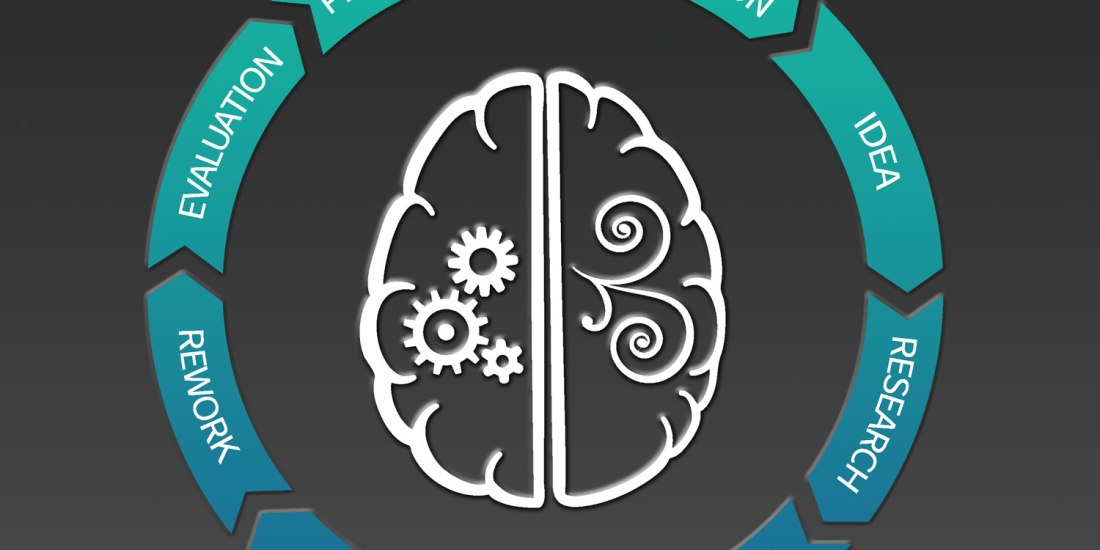
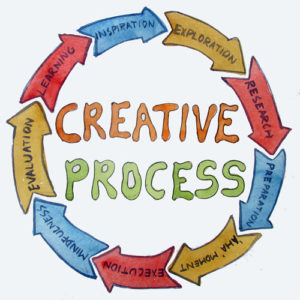
The Creative process is often talked about in Visual Art, and is something we focus on a lot – but there is also no one definitive way of truly explaining what it is, as the Creative Process can vary from artist to artist!
It’s definitely the journey an idea takes from its earliest inspirations through to the final piece of artwork or outcome
There is plenty of information about the creative process on the web. this blog post from https://thevirtualinstructor.com/blog/the-creative-process makes it particularly clear:
1. Inspiration – We are all inspired by different things. It may be an object, a person, an experience, a song, or even a feeling. But one thing is common – our inspiration comes from an external source.

To make the most of what inspires us, we need to make an effort to look for it. Instead of waiting for inspiration to strike, put yourself in a position to be inspired. If music inspires you, listen to as much of it as possible. If you are inspired by a person, spend more time with them.
2. Idea – Your idea and your inspiration are different. For some, the idea comes almost immediately after inspiration, making the distinction between the two a little more difficult to detect. For others, the idea solidifies gradually over time, after the initial inspiration. Unlike the source of inspiration, the idea is born internally. It is unique to the artist that conceives it.

3. Research – This step can also be considered as planning. We may sketch out our idea or research methods and/or media to communicate our newly formed idea. Sometimes, the idea may change at this stage, taking on a new life or direction.
4. Production – The artifact is created in the production stage. The inspiration has led to an idea, the planning and research have been completed, and the art is now being produced. The idea is now transforming into a visual communication that is reflective of the artist that creates it.
5. Critique – The process now shifts from a creative endeavor to an analytical one. The artist must now remove themselves from the work, recognize the flaws, and make the necessary changes.
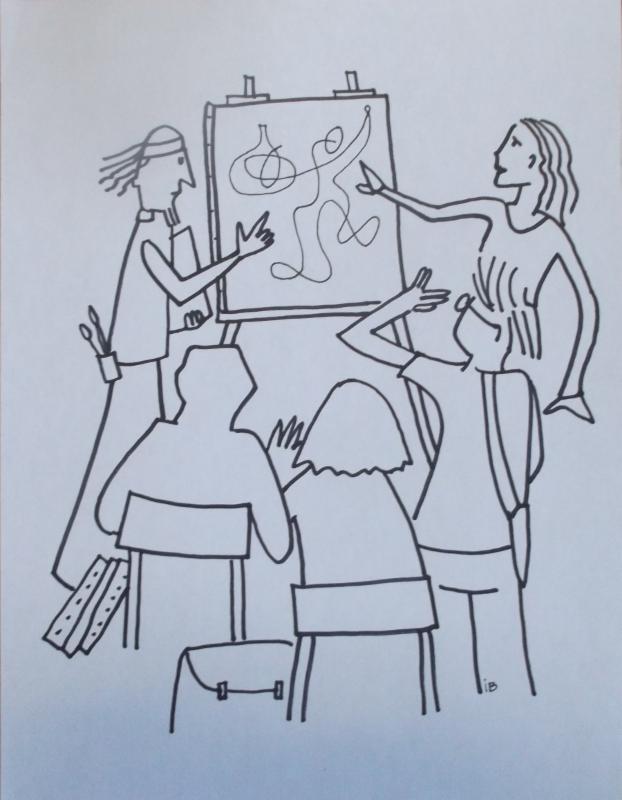
It is my opinion that critique should not be viewed as an evaluation of the finished work, but rather a “check” on progress towards a goal. For some artists, it is difficult to view their art as a “product”. But this is essential if the art is to reach its full potential. Critique is decidedly a left-brained part of the process and should be approached with an analytical, open mind.
6. Rework – With flaws exposed and recognized, the art is revisited. Changes are made based on the judgments made in the critique.
7. Evaluation – It is not until all changes have been made to the art that the evaluation of the success or failure of the work is decided. Strengths of the work should be noted, so that they may be incorporated in future works. Weaknesses should also be recognized, so that they may be avoided in future works. It is important to remember that it is the work that is evaluated, not the artist.

8. Presentation – Art is meant to be shared. Whether that be in a prestigious gallery or on the walls of your home, your art should not be hidden away. The last step of the creative process is to let your your voice be heard.





 Visual Arts